


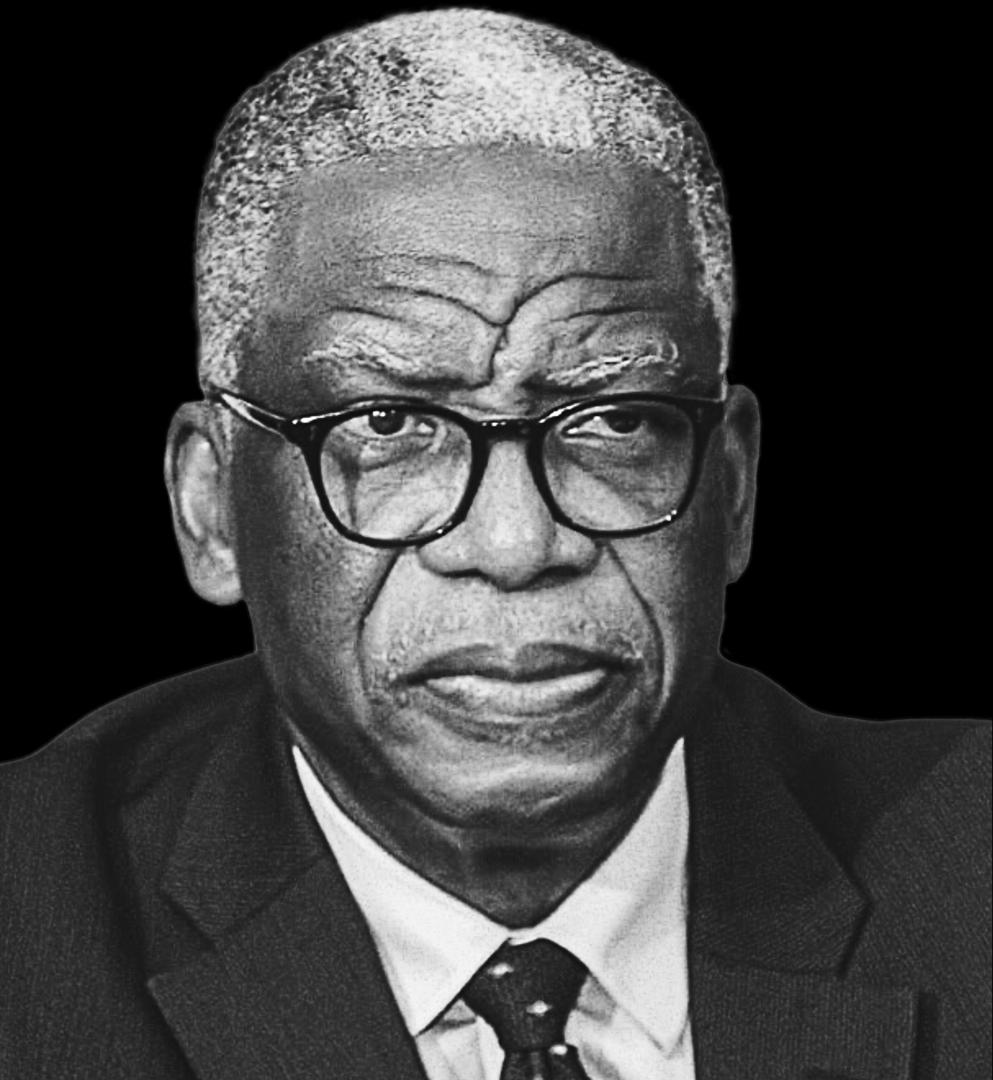

In fragile societies, moments of controversy often reveal deeper structural truths. The recent remarks by Nigeria’s Chief of Defence Staff, Gen. Olufemi Oluyede, likening repentant terrorists to the biblical “prodigal son,” represent one such moment. A seasoned infantry officer with numerous operational successes, Oluyede is not known for casual or careless commentary.
It is also significant that he made the statement at the Armed Forces’ inaugural lecture for the newly established Joint Doctrine and Warfare Centre (JDWC) in Abuja. This was a formal military-strategic forum on doctrine, giving the remarks far greater institutional and policy significance.
The intensity of public anger and moral unease is therefore understandable. The rapid response reflects an unresolved tension between the Nigerian state and victims of insurgency. Insurgency has displaced millions, claimed tens of thousands of lives, and fractured entire communities. Any language that appears to lessen the moral gravity of terrorism was bound to provoke strong opposition. For many in the North, wounds inflicted by insurgency are real, immediate, and deeply lived; and they remain, insufficiently acknowledged by the Federal Government, in the view of many.
To provide context, Oluyede’s remarks were made to defend the rehabilitation of surrendered insurgents under “Operation Safe Corridor”. They are best understood within the evolving logic of modern counterinsurgency. In theatres of similar conflict, from Latin America to parts of Asia, states confronting protracted insurgencies have learned that military force alone is never sufficient.
Sustained by arms, ideology, and coercion, insurgent movements often lack viable exit pathways for those who must want to leave. Thus, creating a structured off-ramps pathways for defection, de-radicalisation, and reintegration, become a strategic necessity. Rightly implemented, it weakens insurgent cohesion, yields intelligence dividends, and gradually erodes the manpower base of armed groups like Boko Haram and their affiliates. From this vantage point, the underlying policy logic is not difficult to discern.
Some may applaud the military strategy of moving from a predominantly kinetic model to a hybrid framework as a mark of necessary adaptation. But what the designers failed to do was to match the framework with a robust development of complementary institutions of justice and restitution.
This is where Nigeria’s dilemma becomes an open book. Over the past decades, the country’s counterinsurgency positions have been compromised all too many times. Often, it is hard to distinguish friends from foes. Confidential communication gets to the insurgents faster than it reaches field commanders. To many citizens, our leaders appear more invested in managing the return of former combatants than in addressing the distressing condition of victims.
Internally displaced persons remain in unwarranted indefensible conditions. Communities continue to grapple with insecurity and economic dislocation. Mechanisms for accountability, where they exist, are often opaque or unevenly applied.
With the foregoing, the language of reconciliation, however strategically grounded or necessary, risks sounding detached from the reality and moral priorities of society. This is the context in which the “prodigal son” comparison landed on the wrong side of the people. Transposed into a conflict setting where justice remains contested, such imagery inevitably invites a moral interpretation that exposes a deficient policy message.
It reflects a deeper concern that the sequencing of Nigeria’s counterinsurgency response may be inverted; that reconciliation is being articulated more clearly than justice, and that reintegration is being operationalised more visibly than restitution.
In conflict-affected societies, legitimacy is derived from the belief that the state recognises suffering, enforces accountability, and distributes compassion. And that it is done in a manner that aligns with justice and fairness, not solely from the capacity to deploy force. Where that central belief is weak, even well-intentioned policies do generate resistance.
Several nations have confronted similar dilemmas, struggling to balance the imperatives of peace with the demands of justice. The lesson from such experiences is consistent: reconciliation must be anchored in visible justice, or it risks losing the capacity to command enduring public trust.
First, a clearer articulation of the relationship between rehabilitation and accountability. Not all combatants occupy the same moral or legal category. Transparent distinctions must be made consistently between those eligible for reintegration and those who must face prosecution for grave crimes.
Second, a credible commitment to victim-centred policies, which includes compensation, community reconstruction, psycho-social support, and memorialisation; these must be treated as central, not peripheral, to restoring moral balance of the state.
Third, a more disciplined approach to strategic communication. In a society as religiously and emotionally sensitive as Nigeria, metaphors are never neutral. They must be deployed with an acute awareness of context, timing, and public sentiment.
The “prodigal son” controversy should be seen as a diagnostic moment. It exposes the gap between doctrine and perception, between strategic intent and societal reception. Nigeria’s counterinsurgency is entering a phase where military gains alone will not secure lasting peace. The greater challenge lies in rebuilding a moral and political order in which citizens believe the state is strong, just and equitable.
Societies in conflict do not resist forgiveness; they resist its invocation in the absence of justice. Until that balance is firmly established, such moments of controversies will continue to recur, reminding us that the end of violence is not the same as the arrival of peace.
Dr Richard Ikiebe is a Media and Management Consultant, Teacher and Chairman, Board of Businessday Newspaper